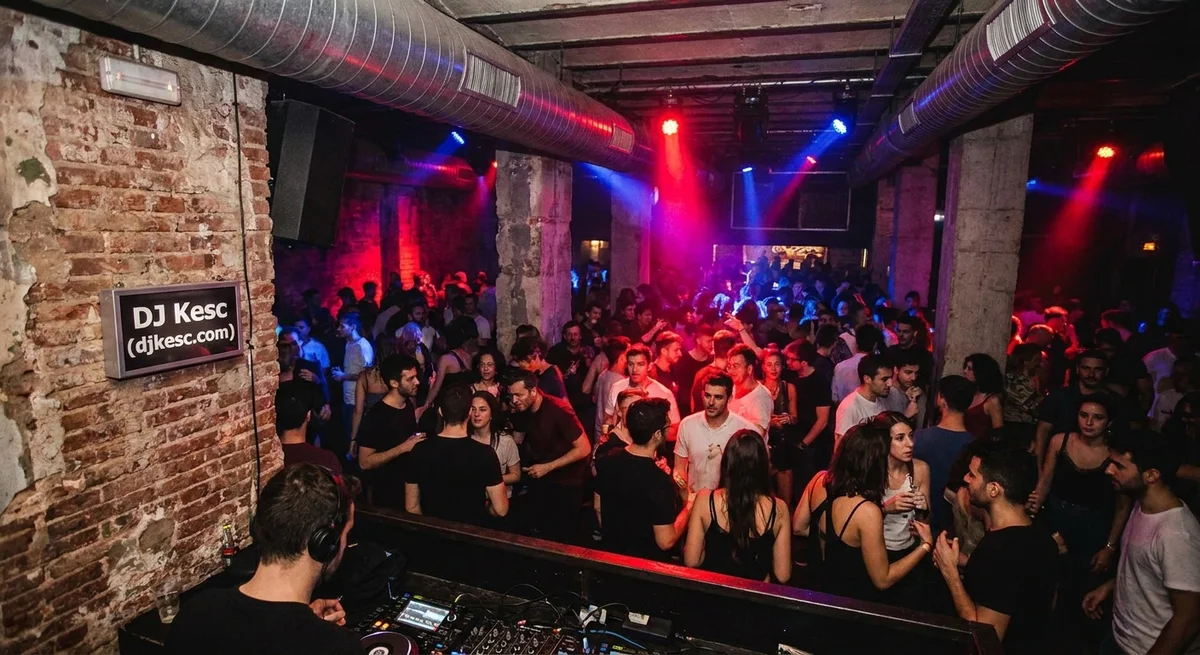
Barcelona on Beat: Razzmatazz, Nitsa, and the Off-Week Circuit
Barcelona on Beat: Razzmatazz, Nitsa, and the Off-Week Circuit
Barcelona is famous for its nightlife. The city’s clubs don’t get busy until after midnight and keep going until dawn (www.barcelonatourism.org). Locals typically eat dinner around 10 PM and then head to bars; real partying starts after 1 AM (www.barcelonatourism.org). Prominent music festivals like Sónar (each June) help shape the club scene. During the Off-Week around Sónar, many international DJs arrive and venues host one-off parties and pop-up events. A Barcelona guide notes that “OFF Week” brings major event brands (Afterlife, Drumcode, Defected, etc.) to town (beatcalendar.com), so clubs often boost bookings and even convert rooftops or beaches into special spaces. In short, Sónar and its Off-Week turn Barcelona into a nonstop music festival with extra big-name acts and day parties.
The Clubbing Clock
Barça nightlife follows its own clock. Most venues open around 11:30 PM to midnight, and you won’t find many people dancing before 1 AM (www.barcelonatourism.org). Clubs stay open until 5 or 6 AM. For example, [barcelonatourism.org] notes that popular clubs typically run to 6:00 AM on weekends (www.barcelonatourism.org). The Metro (especially line L4 toward Barceloneta) runs all night on Fridays and Saturdays, making travel easier (www.barcelonatourism.org). For safety, stay aware of pickpockets – Barcelona is mostly safe, but thousands of tourists lose phones or wallets each week in tourist areas (vardekort.co.uk). Keep valuables secured and take licensed taxis/official rideshares late at night.
Razzmatazz (Poblenou): Five Clubs in One
Sala Razzmatazz is an institutional megaclub in Poblenou. Housed in a converted warehouse, Razzmatazz contains five interconnected rooms, each with its own music style (www.barcelonatourism.org). One room focuses on indie rock and electro-pop, another on techno, one on hip-hop/R&B, plus rooms for retro and Spanish pop hits (www.barcelonatourism.org). With over 3,000 capacity (like a small festival), Razzmatazz offers something for everyone (www.barcelonatourism.org). It doubles as a live music venue on weeknights (bands and DJs) and then turns into a club after midnight with big-name nights. On Fridays the “Crystal” party leans toward indie/electro, while Saturdays are heavy on house and techno (www.barcelonatourism.org). The crowd here is a mix of locals and international visitors. Dress is casual (jeans and T-shirts are fine) (www.barcelonatourism.org). Cover charges and drinks are mid-range: cover is often €12–18 and basic cocktails ~€8–12 (www.barcelonatourism.org) (www.barcelonatourism.org). Free entry before 1 AM is common via guest list apps (www.barcelonatourism.org).
Nitsa at Sala Apolo (Poble Sec): The Electronic Temple
In El Poble Sec, Sala Apolo is a classic clubbing spot. Its flagship electronic nights are called Nitsa Club, running Fridays and Saturdays. Nitsa started in 1993 and has shaped Barcelona’s scene ever since (www.timeout.es). In fact, Apolo is often called “the temple of electronic music” in Barcelona (www.timeout.es). The night begins around 12:30 AM and goes straight through to sunrise (around 6:00 AM) (www.timeout.es), spanning the main hall and a connected outdoor terrace (La(2) de Apolo). Nitsa regularly books top-tier techno and house DJs – past guests include legends like Aphex Twin, Jeff Mills, Carl Craig and many more (www.timeout.es). It also showcases local stars: DJs like DJ Fra, Marc Piñol, and DJ Kosmos hold residencies there (www.timeout.es). The crowd at Nitsa is mostly dance-music purists – serious clubbers who want to rave until dawn. The music is solid techno/house (very little pop or commercial). The venue has a gritty industrial look and a high-quality sound system. Door policy is relaxed – casual wear is fine (www.barcelonatourism.org) – and lineups are posted online in advance. Tickets are moderate (often €15–€20), and the drinks are about €8–10.
Input High Fidelity (Poblenou): Techno Audiophile Dream
Inside the Razzmatazz building (with its own street entrance) is Input High Fidelity Dance Club. Input is a high-end electronic space for serious music lovers (www.barcelonatourism.org). Many DJs praise its sound system as being among the best in Spain (www.barcelonatourism.org). The programming leans to top-tier techno and house artists (often respected international names) (www.barcelonatourism.org). The crowd is purist and dedicated – here it’s about the music, not the show (www.barcelonatourism.org). Most big Input nights are on Saturday, running from about midnight until 6 AM (www.barcelonatourism.org). Because of its reputation, flyers label Input as “for dedicated techno fans and audiophiles” (www.barcelonatourism.org). Dress is very casual (no strict code) (www.barcelonatourism.org), and cover is usually in the mid-range. For fans of raw electronic music, Input is a must-visit club in Barcelona.
Macarena Club (Gothic Quarter): The Intimate Raver Hole
Tucked under streets of Ciutat Vella, Macarena Club is legendary for being tiny but powerful. It holds only about 80 people (tiplr.com), yet it’s famous worldwide for its sound. As one guide puts it, “the surprising thing… and one of the main contributors to its prestige, is its size. Macarena is tiny… [with] a huge sound system… the acoustics and sound quality… are second to none” (tiplr.com). The wraparound DJ booth and low ceiling create an intense, immersive vibe: strangers are pressed close and feel every beat. Music at Macarena is deep house and techno – heavy, visceral dance music (schmidtholidays.com). Both local and international DJs spin here, often focusing on underground styles. Because the space is so small, the crowd is very tight-knit and enthusiastic. Dress code is casual (jeans or clubwear fine) (www.barcelonatourism.org). Entry is typically about €10 and you can pre-buy or arrive around 1–2 AM to avoid a long line. Drinks are cheaper here – cocktails around €7–10 (www.barcelonatourism.org). Fans of pure underground dance love Macarena for its authenticity, intimacy, and top sound.
Pacha Barcelona (Marina): The Beachfront Bonanza
On the Barceloneta beachfront sits the Barcelona branch of Pacha, an Ibiza-style superclub (www.barcelonatourism.org). It shares a street with its sister club Opium. Inside, the club is decked out in Pacha’s signature style (the cherry logo, plush leather booths, mood lighting). Music-wise, Pacha plays a commercial mix: house and EDM in the main room, huge Latin-party “pachanga” sets in the red room, plus a terrace with hip-hop and R&B by the sea (discotech.me). The crowd skews a bit older and more international – lots of tourists and expats. Many nights here revolve around bottle service and VIP tables (www.barcelonatourism.org). Fridays and Saturdays see both well-dressed locals and tourists gathered for the big-name DJs and beach vibes (www.barcelonatourism.org). As with any marina club, prices are high: cover often €20–25 (sometimes includes one drink) (www.barcelonatourism.org), and cocktails €12–18 (www.barcelonatourism.org). The door is picky: smart casual dress is required (no shorts or flip-flops) (www.barcelonatourism.org) (www.barcelonatourism.org). Reservations for tables go quickly on the website. Pacha is best for those who want the full “Ibiza at the beach” experience: glitzy lights, big crowds, mainstream hits, and yes, some drama.
Beach vs. City Clubbing
Barcelona’s marina clubs (Opium, Pacha, CDLC, Shoko, Catwalk) differ from its inner-city clubs (Razzmatazz, Apolo, Macarena, Input, etc.). Beach clubs enforce a smart-casual dress code – think collared shirts, trendy sneakers or shoes, and no athletic shorts (www.barcelonatourism.org). Basic cocktails there run about €10–18 (www.barcelonatourism.org). Cover charges at marina venues tend toward the high end (€15–25) (www.barcelonatourism.org). By contrast, inner-city venues are very casual: streetwear or clubwear is fine (www.barcelonatourism.org). Drinks are cheaper in the city (around €8–12 for a cocktail (www.barcelonatourism.org)), and covers are moderate (often €10–15) (www.barcelonatourism.org). Many smaller clubs and bars even let you skip cover if you come early or join the guest list (entry is often free before 1 AM) (www.barcelonatourism.org). The club atmosphere follows: beachfront clubs feel upscale and touristic, with pop, Latin hits, and bottle service. City clubs vary by neighborhood: the Raval and Gothic ($$$) have edgy underground vibes at Moog or Macarena, while Poble Sec ($$) has indie nights at Apolo, and Poblenou ($$) fosters huge raves at Razzmatazz and Input.
Sunday and Day Parties
Barcelona doesn’t sleep on Sunday either. Many venues host daytime parties that bridge to night. For example, in summer Carpe Diem (CDLC) and Pacha throw “Beach Pool” parties on Sunday afternoons (www.barcelonatourism.org). These feature DJs by the pool or beach, chill daytime vibes that run into evening. Another staple is Brunch Electronik – big open-air electronic events (often at Poble Espanyol) every weekend. Local promoters also slay with rooftop and boat parties and pop-ups around Sunday. Additionally, smaller local nights like “Marula Café” or “Zampa” offer late-afternoon dance sessions.
Local promoters and DJs keep the scene fresh. Renowned local party organizers (like OFFSónar, Universal Nation, Studio Stereo, etc.) layer extra events especially in June. Resident DJs like DJ Fra, Marc Piñol, and DJ Kosmos (from Nitsa) and others spin regularly in clubs. In short, there are parties week-round: deep-minimal techno midweek, big names on weekends, and lazy Sunday day-fests.
Transit, Safety and Tips
Getting around is broadly straightforward. Metro is usually safest and runs late: on weekends Line 4 (yellow) goes along the coast all night (www.barcelonatourism.org), connecting central (Passeig de Gràcia/Catalunya) to Barceloneta/Marina. Late-night buses (NitBus) fill other gaps. Taxis and rideshares (Uber/FreeNow) work too, but beware surge pricing on busy nights.
Barcelona is generally safe, but pickpocketing is a real concern (vardekort.co.uk). Watch your belongings – pockets, bags, phone – especially in crowded clubs or touristy bars. Avoid obvious tourist traps: for instance, clubs hawking guaranteed free entry or overpriced jugo cocktails on Las Ramblas are best skipped. Instead, ask locals or hotel staff for hot events, and stick to lively busy spots. Club doors will check IDs (18+ only after 11 PM).
Finally, remember the local rhythm: dine late, expect lines at clubs before midnight, but once your party starts it goes until dawn (www.barcelonatourism.org). Treat Barcelona clubs as friendly and fun – the staff usually speak English and welcome guests warmly. Plan ahead (buy tickets or RSVP for guest lists) during festival periods like Sónar when spots sell out.
Conclusion
Barcelona’s nightlife blends big international spectacles with raw underground energy. From the five-story music labyrinth of Razzmatazz to the indie-techno legacy of Nitsa at Apolo, the city offers something for every dancer. Mákagraph (if digital?), as one tourist guide notes, “Opium and Pacha lead for the iconic glamour experience. Razzmatazz wins for music variety and scale. Macarena and Input are top picks for serious electronic music fans.” (www.barcelonatourism.org) (www.barcelonatourism.org). Whether you seek a sun-soaked pool party or a basement of pure bass, Barcelona’s clubs deliver. Enjoy responsibly – and ¡baila hasta el amanecer!
Sources: Insights from [barcelonatourism.org] comprehensive nightlife guides (www.barcelonatourism.org) (www.barcelonatourism.org), [Time Out Barcelona] club features (www.timeout.es) (www.timeout.es), Discotech club info (discotech.me), local guides Tiplr (tiplr.com) and SchmidtHolidays travel blog (schmidtholidays.com), plus festival listings (beatcalendar.com). These confirm club genres, crowd vibes, and timings.