Inside Berlin’s Techno Ecosystem: Clubs, DJs, and Nightlife Economics
Inside Berlin’s Techno Ecosystem: Clubs, DJs, and Nightlife Economics
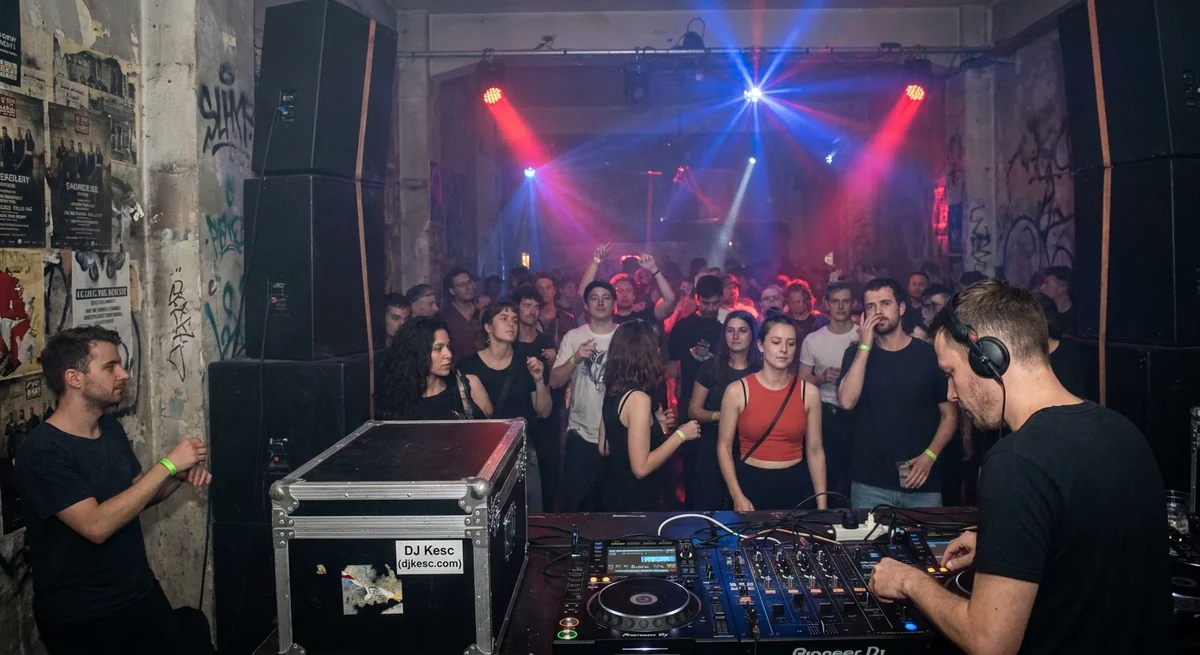
Berlin’s club culture has become legendary around the world. Every weekend, clubbers from everywhere flock to Berlin to dance to techno and house music, drawn by a scene built on freedom and creativity (www.theguardian.com) (ra.co). In 2024, UNESCO even added Berlin’s techno scene to Germany’s list of intangible cultural heritage (www.theguardian.com). This vibrant nightlife brings in huge crowds (millions of tourists) and big economic benefits – a 2019 study found nightclubs helped generate about €1.5 billion in tourism revenue for Berlin in 2018 (magneticmag.com) (www.thelocal.de). About 9,000 people work directly in clubs (www.thelocal.de). In short, Berlin’s nightclub scene is famous worldwide for good reason: it’s creative, open-minded, and runs for days on end.
A History of Berlin Techno
Berlin’s status as the techno capital grew out of history. After the Berlin Wall fell in 1989, techno music became the soundtrack of a reunited city (ra.co). Dozens of clubs opened in unused buildings (old factories, power plants, bunkers), and a new culture of freedom took root. Cheap rents and a DIY spirit let DJs and promoters experiment. Over the last 30+ years, Berlin has become “Europe’s techno headquarters” (ra.co). Today almost every musical niche is covered somewhere in the city, from straight-up heavy techno to more laid-back house (ie.hotels.com). It’s a place where you can dance all weekend long – as one travel guide notes, many clubs “pump pretty much all the way through the weekend” thanks to relaxed hours (ie.hotels.com). Every big Berlin club is part of this legacy, and they keep reinventing the scene.
Flagship Clubs and What Makes Them Special
Berlin has a handful of flagship clubs that are famous for what they play, who DJs there, and how they do parties. Each has its own style:
Berghain and Panorama Bar (Friedrichshain)
Berghain is often called “the church of techno” (ra.co). It’s a massive former power plant on the Friedrichshain side of the Spree (on the border with Kreuzberg). Inside are three rooms:
- The main floor, “Berghain”, is dark and raw, where techno DJs play pounding, hypnotic sets late into the night (ra.co).
- Upstairs is the Panorama Bar, known for house and disco-oriented music (more melodic and funky than the main room). DJs there include Berlin icons and international names. For example, Panorama Bar helped launch the Ostgut Ton label (Berghain’s own label) that released music by Ben Klock, Marcel Dettmann, Steffi, etc (ra.co).
- There is also a smaller ground-floor room called Säule for special events.
Berghain’s booking philosophy is focused on deep, underground techno. It often features residents and in-house producers, along with carefully chosen guests. The crowds inside are serious dancers in black clothing. The club is known for its world-class sound system (custom Meyer Sound in Panorama Bar) (www.lsionline.com) and an intensely immersive experience. Berghain also famously bans cameras and photos – your phone’s camera is even taped over when you go inside (www.vice.com).
Berghain has a very strict door policy: it is “notoriously hard to get into” (ie.hotels.com) (ra.co). Only people who look like proper clubbers and have the right vibe are allowed in. It helps to dress simply in dark and comfortable clothes (no flashy outfits), and go at a quiet time. Resident Advisor even suggests visiting Sunday morning or early (after brunch) if you want a shorter queue (ra.co). Once inside, you dance until Monday morning – Berghain parties often run from Saturday night all the way through Monday.
Tresor (Mitte)
Tresor was one of the first techno temples in Berlin. It opened in 1991 on Leipziger Strasse, and later reopened in a big old power plant in Mitte. This club helped unite East and West Berlin ravers in the early 90s. Tresor’s vibe is raw and industrial – concrete walls, fences, metal crates – and the music is darker, harder techno. There are two floors: the basement (the original Tresor room) where pounding, old-school techno plays late into the night, and the upstairs area called Globus where you’ll hear more housey or experimental sounds (ra.co). For decades, Resident Advisor has called scenes in Tresor “the beating heart of techno in Berlin” (ra.co). Tresor’s DJs and residents (past and present) include legends like Dimitri Hegemann (founder), Regis, Juan Atkins, and many Berlin locals. Cover charges are modest (often €10–15).
Watergate (Kreuzberg)
(Status: Closed in 2024) Watergate used to be a premier club on Kreuzberg’s riverside. From 2002 on, it was notable for big house and minimal techno parties every week (djmag.com). It had a signature design: two floors with huge panorama windows overlooking the Spree. The Water Floor downstairs would fill with daylight from dawn and is famous for rich LED lighting on the ceiling that synchronized to the music – a first-of-its-kind feature later copied worldwide (www.timeout.com). DJs like Kerri Chandler, Ellen Allien, and Solomun played there regularly.
Watergate was known for championing the minimal tech wave of the mid-2000s (www.timeout.com), and it even ran its own label (Watergate Records) known for high-quality house releases. However, rising rent costs forced Watergate to close at the end of 2024 (cer.econ.columbia.edu), showing how even top clubs can struggle. When it was open, Watergate’s door policy was friendlier than Berghain’s: dress code was casual, and staff let in a good crowd without much fanfare. Drinks there were typical Berlin prices (beer ~€3–5).
Kater Blau (Friedrichshain)
Kater Blau sits further east along the Spree, on the Holzmarkt complex. It opened in 2014 as the successor to earlier clubs Bar25 and KaterHolzig (hence the name) (www.clubguideberlin.de). Its aesthetic is playful and colorful – reclaimed materials, a big outdoor terrace, and carnival decor. The music is tech-house and techno, but also open to funkier or world-influenced tunes. A city guide describes Kater Blau as “a friendly shack of a place” where you’ll hear “anything from tech house to funky New World tunes” (ie.hotels.com). Parties at Kater Blau typically run from Friday midnight through Monday morning, especially in summer when DJs can spin on the riverside decks under the open sky (www.top10berlin.de) (www.clubguideberlin.de). Kater Blau dirges a more relaxed door policy: you’ll often walk in from late night without a huge queue.
Sisyphos (Lichtenberg)
Sisyphos is out near Lichtenberg (north-east), a bit off the beaten track. It’s famous for marathon parties and a free-spirited vibe. The club occupies a former dog biscuit factory with a huge courtyard, multiple indoor floors, art installations, and even a little pond (www.berlin.de) (www.top10berlin.de). In summer you can dance outside, barefoot in sand, under strings of lights and confetti (it feels like a mini-festival) (www.top10berlin.de). According to the Berlin Clubguide, Sisyphos parties last “not hours, but days,” blending techno, house, and live music with circus acts and theater shows (www.berlin.de). Even its equipment is top-notch: it runs Funktion-One speakers (the same high-end system used at Berghain) (www.top10berlin.de). Door policy is laid-back – but come early on weekends. Back at home, many Berliners napped off Sisyphos parties Monday afternoon. Sisyphos’s mix of outdoor fun and sweaty basement rooms makes it a pilgrimage for many visitors.
://about blank (Friedrichshain)
About Blank is a smaller, more alternative club near Ostkreuz station. It started as an illegal squat and opened officially in 2011, but kept its friendly, community-run feel (www.digitalinberlin.de). The venue is a repurposed building with two main dancefloors inside and an outdoor garden. Music here is loosely programmed – mostly house and techno, with occasional disco or bass nights (www.digitalinberlin.de). Guests like that it’s gritty and unpretentious; in summer everyone spills into the garden where DJs play outdoors and sometimes a bonfire is lit (www.digitalinberlin.de). Parties often go until late Sunday afternoon (www.digitalinberlin.de). Door policy is very chill (often don’t even check IDs) and many people dress in vivid colors or DIY costumes.
Other Notable Venues
Berlin is full of other clubs and bars too (e.g. Tresor’s sister club Globus upstairs, Salon zur Wilden Renate with its maze-like floors, Suicide Circus with an open-air dance floor, and Klunkerkranich rooftop). Each has its own style and local crowd. But the clubs above give a good picture of the main pillars of the scene.
Party Districts: Where to Go
Berlin’s nightlife is spread across districts, each with a different flavor:
-
Friedrichshain: A hotspot for techno and riverfront clubs. This neighborhood (East Berlin) is home to Berghain/Panorama Bar, Kater Blau, About Blank, Sisyphos, and many warehouse parties along the Spree. The atmosphere is edgy and artsy (graffiti, old Soviet blocks around). Open-air spots along the river make for great summer parties (ie.hotels.com) (www.top10berlin.de).
-
Kreuzberg: Once gritty, this area (West of Friedrichshain across the river) hosts venues like the old Tresor (toward Mitte), Watergate (closed), SO36 (a legendary LGBT punk club with techno nights), and bars around Oranienstrasse. Kreuzberg has always had a bohemian, multicultural feel (ie.hotels.com). Oranienstrasse is packed with restaurants and bars to start the night.
-
Neukölln: A bit south of Kreuzberg, Neukölln has become trendier in recent years. It has a few clubs (e.g. Ritter Butzke [formerly, but it closed 2019], Revier Südost warehouse events, Klunkerkranich rooftop bar) and many bars. The vibe is hip and laid-back. Clubs here tend to be smaller or event spaces. The district has large immigrant communities, and you can hear everything from techno to funk to reggae in local bars. Partying can spill into Sunday noon at places like Klunkerkranich (rooftop garden) and Hornet.
-
Mitte: Central Berlin (formerly East Mitte) has become more touristy and has fewer large clubs. Tresor moved here, and there are techno nights at clubs like Watergate (by Oberbaum) – though some have closed. This area has trendy hotels, cocktail bars, and some late-night lounges. Not as club-heavy, but there are still popular venues like Berghain’s Panorama Bar (border) and smaller venues like Salon Zur Wilden Renate (near Friedrichshain) and KitKatClub (notorious for fetish-themed parties).
In general, clubbers often bar-hop between Kreuzberg and Friedrichshain because they are adjacent (separated by the Spree). Recent years also saw big parties in places like Lichtenberg (Sisyphos) and even Malzfabrik in Tempelhof under the Tempelhof airport, showing the scene isn’t limited to one neighborhood.
Club Policies, Photography, Hours and Prices
To get the most out of Berlin nightlife, remember some key rules and facts:
-
Door Policies & Dress Code: Berlin club doormen take their job seriously. Every club has its own “personality,” and they guard it by checking your vibe. For major clubs like Berghain, be confident, quiet, and wear simple, dark clothing. The iHeartBerlin guide sums it up: “Berliners are more serious about their dancing… and insist you face the DJ” (www.iheartberlin.de). In practice, this means keep cameras away at the door, state your party size in German if asked (“Ich bin allein” – “I’m alone” is common), and don’t show up in bright colors or fancy costumes (unless it’s a themed party). If you’re in a big group, split up or you might be filtered. Each club’s staff looks for variety: they might turn away too many tourists, or if a group isn’t behaving.
-
Photography Rules: Almost no Berlin club allows photos or videos on the dancefloor (www.vice.com). This is to let people express themselves freely. You’ll often see stickers on your phone camera after you pay the entrance fee. Even the most glamorous club Berghain has a strict no-camera policy (ra.co) (www.vice.com). So leave the selfie stick at home: enjoy the experience in the moment.
-
Opening Hours: Parties start late in Berlin. Most clubs open after midnight (sometimes closing after 4 AM) and stay open through sunrise. Events often run for days straight. For example, Sisyphos parties can run from Friday night through Monday under one cover charge (www.top10berlin.de). Even “Sunday nights” mean early Monday morning. The one exception: on weekday nights (Mon–Thu), most clubs are closed or have only small events. The advice: plan to stay out all night and into the next day (naps are part of the culture!).
-
Cover Charges (Pricing): Berlin is still relatively affordable for partygoers. Typical cover fees range €10–20, depending on the club and night (special events can be higher). For example, Tresor often charges around €10–15; Berghain around €20 on big nights (with a flavored frozen banana in case of long dancing (ra.co)!). Drink prices are moderate: a beer is usually €3–6, and cocktails €8–12 (cheaper than many other capitals). Water is always inexpensive (and often free from cued dispensers). Given how long you can party, budget accordingly: a night at a big club might end up costing €50–100 including entry and drinks.
-
Sound Systems: Berlin clubs pride themselves on sound quality. Berghain/Panorama Bar have custom Meyer Sound systems for deep bass (www.lsionline.com). Sisyphos and About Blank use top-tier Funktion-One speakers (www.top10berlin.de). The better the speakers, the better the party: expect very loud, clean audio at flagship clubs. (Bring earplugs if you need them – some shops and club bars give them away.)
- Etiquette: Once inside, the vibe is respectful and focused on music. Locals often stand still or gently groove rather than flail or line-dance. It’s considered polite to face the DJ/booth most of the time (www.iheartberlin.de). Avoid talking loudly on the dancefloor (if you chat, step aside). Don’t block others – Berliners appreciate personal space. If you dance with a partner (even a stranger), it’s usually at arm’s length unless invited to get closer. Most importantly, be yourself, but quietly. Everyone has agreed to a “no-freak-outs” code: no pushing, no unwanted touching, no trashing the place, and respect others’ space. Outside the club after close, people often disperse quietly – there’s a “bye-bye Berlin” etiquette of whispering loudly only on really public streets.
Labels, Platforms, and Festivals
Beyond clubs, Berlin’s techno culture includes record labels, collectives, and events that help shape the scene:
-
Ostgut Ton: This is the in-house label of Berghain/Panorama Bar (ra.co). Founded in 2005, Ostgut Ton released scores of tracks and albums by Berghain’s resident DJs (Ben Klock, Marcel Dettmann, Steffi, and others). It’s a way the club extends its musical style to a global audience.
-
HÖR: HÖR is a newer Berlin collective (started around 2019) that organizes techno events and also has a streaming program. Based in Kreuzberg (at Hasenheide), HÖR has hosted “club nights” at various venues, supporting underground DJs. It’s part of a trend of DIY parties and collectives—there are many small crews (often queer- or immigrant-focused) that throw parties in unusual spaces.
-
Festivals and After-Hours: Berlin doesn’t have a single giant festival (the Love Parade ended in 2010), but it has plenty of big events. For example, Party at Revier Südost transforms an old power plant into a techno playground (the “Mother’s Finest” festival draws local and international DJs for all-day raves (www.playfulmag.com)). In winter, CTM Festival and MUTEK offer experimental electronic performances. And Berlin’s Karneval der Kulturen (Carnival of Cultures) each May features street parties. Importantly, many after-hours parties are just part of the club scene itself – on Sunday morning, you might find brunch-raves or chill “picnic” sessions in places like About Blank’s garden. Some DJs start sets at 6 AM, blurring the line between main-night and after-party.
Berlin’s nightlife economy is a double-edged sword: tourism and parties bring money (over €1.5B in 2018 (magneticmag.com)), but rising rents and gentrification threaten clubs. In recent years, dozens of small clubs have closed or are at risk (cer.econ.columbia.edu). Even famous ones like Watergate had to shut down. City officials now talk about preserving club culture (the “agent of change” principle requires new buildings to insulate for noise so clubs don’t get complaints). The UNESCO recognition in 2024 was meant to help protect the scene (www.theguardian.com).
Getting Around Berlin’s Nightlife
To navigate this ecosystem, here are practical tips:
-
Transport: Berlin has excellent 24-hour transit on weekends (www.berlin.de). The U-Bahn (subway) and S-Bahn (trains) run all night on Friday–Saturday and Saturday–Sunday nights (www.berlin.de). On weeknights (Mon–Thu), they stop around 1 AM and are replaced by night buses (routes start with “N”) (www.berlin.de). In any case, you can get around cheaply by public transit (buy a day-ticket). Taxis and “BerlKönig” rideshare vans are also plentiful late at night (tip: use the BVG app or Google Maps to find night buses).
-
Queues and Timing: Famous clubs can have long lines. Arrive as a smaller group, one person at a time if needed. If you hear the club you want to visit opens at 11 PM, you might get in line at midnight or 1 AM (the party often peaks around 4–6 AM). For Berghain specifically, Resident Advisor advises earlier Sunday (e.g. 10 AM after brunch) for a shorter wait (ra.co). Never bang on the door or push – the bouncers appreciate politeness.
-
Crowd Etiquette: Once inside, be polite: offer space, don’t push to the front unless dancing, and keep valuables safe (pockets or belt bags). Asking to take someone’s photo is usually frowned upon. Most Berlin clubs encourage a “no complaints” attitude – if you have an issue (too hot, too slow, someone bothering you), it’s often easiest to quietly ask a staff member or take a short break. Many clubs welcome non-English speakers, but knowing a few German words (like danke or “Passt.” – meaning “okay/fine”) can help.
-
Stay Hydrated and Plan Ahead: Bring some cash (though cards are often accepted, it’s good to have €20 for a cover or drinks). Drink water between alcoholic drinks — club water is usually cheap. It can be very hot inside, so pace yourself. If you’re exhausted, rest on the benches (available in areas of many clubs).
Conclusion
Berlin’s club scene is like no other – a cultural force built around freedom, creativity, and community. Famous venues like Berghain, Tresor, Kater Blau, Sisyphos, and ://about blank each add their own flavor to this mix, with cutting-edge sounds and unforgettable parties. The city’s reputation as a techno capital is backed by real numbers: millions of tourists and hundreds of millions of euros from club tourism (magneticmag.com) (www.thelocal.de). Yet the scene is fragile. Rising costs and gentrification are causing well-known clubs to close (cer.econ.columbia.edu) (www.berliner-zeitung.de), a trend sometimes called “Clubsterben” (club death). Still, the love for the music and culture runs deep. Those who visit Berlin’s clubs are expected to play by the rules of respect and freedom. Do that, and you’ll experience why Berlin remains the global benchmark for techno and house culture – a place where the music, the people, and the city come together for the ultimate dance experience (www.theguardian.com) (ra.co).