Berlin Transportation
Berlin transportation
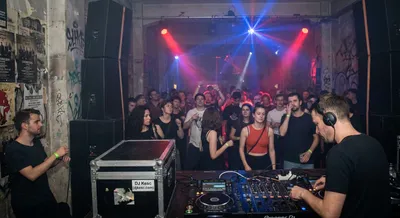
Inside Berlin’s Techno Ecosystem: Clubs, DJs, and Nightlife Economics
Berlin’s status as the techno capital grew out of history. After the Berlin Wall fell in 1989, techno music became the soundtrack of a reunited city...
Berlin Transportation
Berlin transportation refers to the city's network of buses, trams, the U-Bahn subway, S-Bahn commuter trains and regional trains that move people around the city and to nearby areas. Many residents also use bikes, scooters, walking and taxis because Berlin is flat and compact, which makes non-car travel easy. The system is organized into fare zones with tickets valid for a set time or area, and the transit network connects central neighborhoods with suburbs and regional rail services. Some lines run late or have special night services on weekends, and night buses fill in when trains stop, so you can usually get home after late events. The network is run by public transit authorities and is generally affordable, which encourages people to use it instead of driving. Good transport makes commuting, social life and tourism easier and helps event planners decide where to hold concerts or festivals. Because routes and schedules can change for repairs or upgrades, checking apps or transit notices helps you avoid surprises.