Berlin Clubs
Berlin clubs
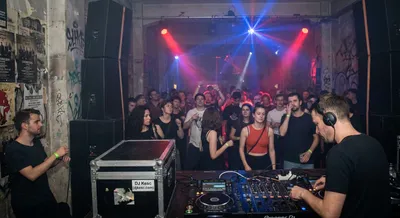
Inside Berlin’s Techno Ecosystem: Clubs, DJs, and Nightlife Economics
Berlin’s status as the techno capital grew out of history. After the Berlin Wall fell in 1989, techno music became the soundtrack of a reunited city...
Berlin Clubs
Berlin clubs are nightlife venues in Germany's capital known for lively music, dancing, and social scenes. They range from tiny basement bars to huge converted industrial spaces and often stay open very late or all night. Many focus on electronic music styles like techno, house, and experimental sounds, but you can also find rock, jazz, hip-hop, and mixed-genre nights. What makes them distinct is a strong do-it-yourself spirit, an emphasis on creative expression, and an atmosphere that values inclusion and freedom. These places are important because they let new DJs, producers, and visual artists practice their craft and reach audiences in a live setting. They also help shape fashion, art, and youth culture, and they attract visitors from around the world who want to experience the city's nightlife. Beyond entertainment, clubs contribute to the local economy through jobs, tourism, and related businesses like bars, record stores, and promoters. They can also be centers for community and political expression, hosting benefit events and providing space for marginalized groups. Because many occupy old factories or warehouses, their architecture and raw interiors become part of the experience, adding a sense of history and uniqueness. Overall, Berlin clubs matter not just for dancing but as places where culture is made, identities are explored, and new music is discovered.