Tresor Berlin
Tresor Berlin
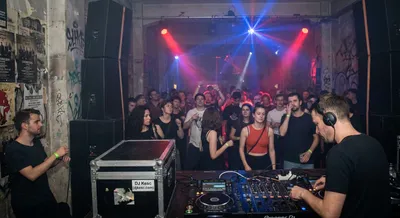
Inside Berlin’s Techno Ecosystem: Clubs, DJs, and Nightlife Economics
Berlin’s status as the techno capital grew out of history. After the Berlin Wall fell in 1989, techno music became the soundtrack of a reunited city...
Tresor Berlin
Tresor Berlin is a legendary nightclub that played a major role in developing techno music in the early 1990s. It started in the aftermath of political change when creative people converted industrial spaces into places for music and community. The club became known for its dark, raw atmosphere, often centered around concrete vaults and minimal decor that made sound and rhythm the focus. Music at Tresor tended to be hard, fast, and uncompromising, favoring experimental electronic beats and long DJ sessions. Beyond the club itself, the name also became associated with a record label that released influential tracks and helped spread the sound globally. Tresor matters because it provided a home for emerging artists who would go on to define techno and electronic music more broadly. It also symbolized a wider cultural shift, turning neglected industrial sites into vibrant creative hubs that attracted both locals and visitors. The club's aesthetic and programming influenced other venues around the world, proving that underground music scenes can have lasting cultural impact. Even today, Tresor's history is often cited when people talk about the origins and spread of techno, and its current events continue to showcase new talent. In short, Tresor helped turn a local scene into a global movement and remains an important landmark in electronic music history.