Nightlife Economics
nightlife economics
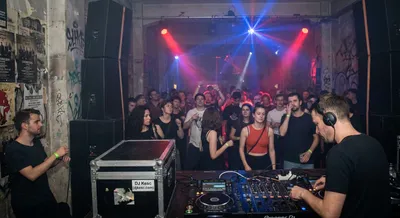
Inside Berlin’s Techno Ecosystem: Clubs, DJs, and Nightlife Economics
Berlin’s status as the techno capital grew out of history. After the Berlin Wall fell in 1989, techno music became the soundtrack of a reunited city...
Nightlife Economics
Nightlife economics studies the economic activity that happens after dark—such as bars, clubs, late-night restaurants, live music venues, and related services—and how that activity affects local economies. It looks at jobs created, revenue from sales and tourism, and the wider effects on nearby businesses like taxis, hotels, and retail. Operators must manage costs like rent, staffing, security, and licensing while dealing with fluctuating demand tied to events, seasons, and changing tastes. Local rules on noise, opening hours, and safety shape what businesses can do and where they can operate, and data about attendance and spending help owners and policymakers make informed choices. Understanding nightlife economics matters because a vibrant evening economy supports livelihoods, attracts visitors, and helps shape a city’s cultural life. It can also create challenges, including noise complaints, pressures on public services, and the risk of gentrification that changes neighborhood character. Good policy seeks a balance, using licensing, zoning, and targeted support to protect small venues while addressing residents’ concerns. Knowing how the evening economy works helps business owners plan for sustainability and helps city leaders manage safety, transport, and licensing in ways that preserve cultural value. For anyone who enjoys going out, understanding these forces explains why some areas stay lively while others change or decline over time.