Berlin Techno
Berlin techno
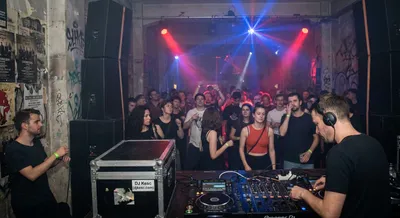
Inside Berlin’s Techno Ecosystem: Clubs, DJs, and Nightlife Economics
Berlin’s status as the techno capital grew out of history. After the Berlin Wall fell in 1989, techno music became the soundtrack of a reunited city...
Berlin Techno
Berlin techno is a style of electronic dance music and the culture around it that became prominent in Berlin, especially in the decades after major political change. The sound is driven by steady, hypnotic beats, repetitive rhythms, and a strong focus on atmosphere rather than traditional song structures. It often leans toward a raw, minimalist, or industrial aesthetic, with DJs and producers creating long sets that evolve gradually and emphasize rhythm and texture. The scene developed in clubs, warehouses, and other late-night venues where extended hours and a do-it-yourself spirit encouraged musical experimentation. Community, late-night freedom, and a shared focus on dancing and immersion are central to the experience. Berlin techno matters because it has had a major influence on electronic music globally and created a model of club culture that values artistic freedom and underground creativity. The scene has been a space for musical innovation, technological experimentation, and cultural exchange among artists and audiences. It also raises practical questions about how cities support nightlife, maintain venues, and balance cultural value with urban change. For music fans, it offers a unique way to discover new sounds and connect with others on the dance floor. Even for people who don’t attend, its impact is visible in broader music trends, fashion, and how nightlife contributes to a city’s identity.