Cabaret Law Repeal
Cabaret Law repeal
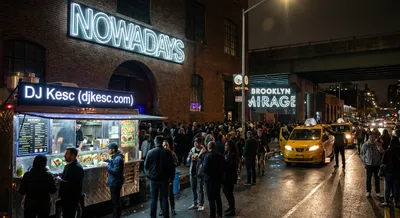
New York City Circuits: Brooklyn Mirage, Nowadays, and the 4 AM Hustle
For decades New York’s Cabaret Law had put clubs in a bind. The 1926 rule technically banned dancing in most bars unless they got a costly “cabaret...
Cabaret Law Repeal
The Cabaret Law repeal means that a long-standing New York City rule that required venues to get a special license for dancing was removed. Under the old law, small bars, clubs, and restaurants sometimes faced difficulty or enforcement actions for allowing people to dance without that license. Repealing the rule removed a legal barrier that had limited where and how live music and dancing could happen. For performers, venues, and party-goers, the change opened up more opportunities for music and social gathering without fear of fines or shutdowns tied specifically to dancing. The repeal also had social justice implications, because enforcement of the old rule had often fallen harder on marginalized communities and small, independent venues. At the same time, people still need to follow other safety, noise, and occupancy rules, so the repeal did not mean a free-for-all. It simply eliminated a single, often-criticized restriction and shifted focus toward fairer, clearer ways to regulate nightlife. Overall, the change helped many venues operate more freely and allowed cultural life to flourish with fewer legal hurdles.